
Today in Labor History November 9, 1851: Kentucky marshals abducted abolitionist minister Calvin Fairbank from Jeffersonville, Indiana, under the 1850 Fugitive Slave Act. They took him to Kentucky to stand trial for helping a slave escape. Fairbank was an activist on the Underground Railroad. The authorities imprisoned him for over 17 years and lashed him 35,000 times. The governor pardoned him in 1864.
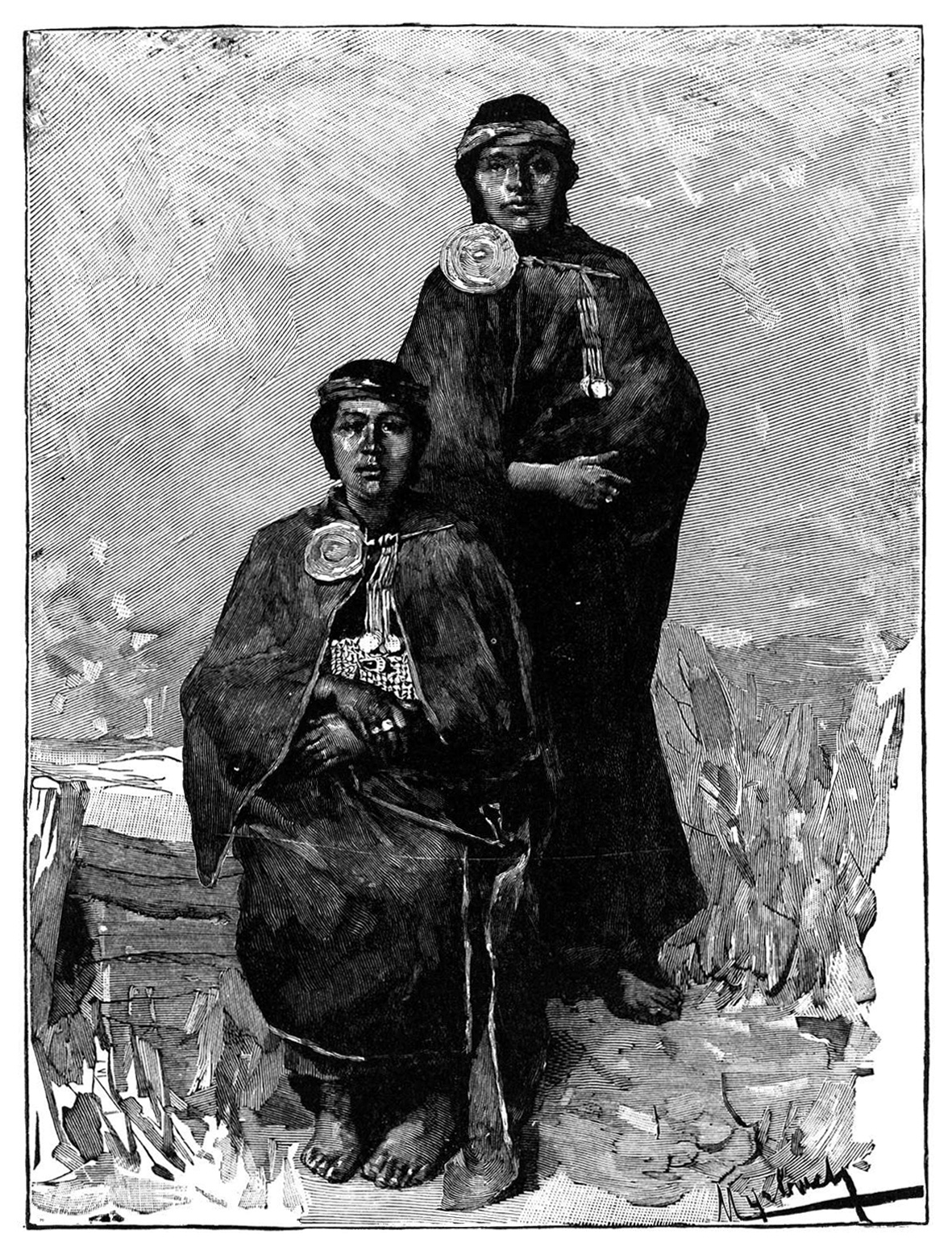
Today in Labor History November 9, 1881: Mapuche rebels attacked the fortified Chilean settlement of Temuco. The Chilean forces subdued the rebels within a few days. The Mapuche were rebelling over numerous abuses by Chilean settlers, including many murders and rapes.
November 9, 1933: 200 assembly-line workers at Nash automobile in Kenosha, Wisconsin, walked out in protest of the new piece rates. Owner Charles Nash subsequently locked out all 3,000 workers. Workers at both the Racine and Milwaukee’s Seaman Body plants eventually joined the strike. Ultimately, they won union recognition at each of the plants, plus raises of up to 17%.
Today in Labor History November 9, 1935: The Congress of Industrial Organizations (CIO) was founded on this date in 1935. Important founding members included the Steelworkers, Auto Workers and Textile Workers. The CIO ultimately merged with the American Federation of Labor (AFL) in 1955 to form the AFL-CIO.
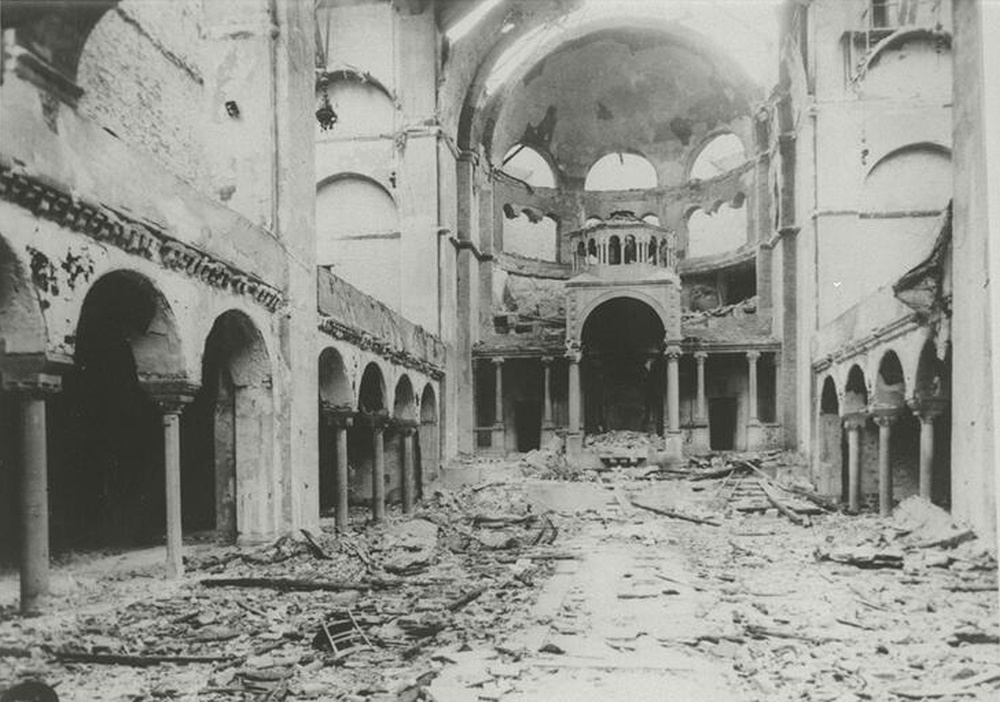
Today in Labor History November 9, 1938: Kristallnacht, “Crystal Night,” began on this date in Germany, marking the beginning of the Holocaust, with the Nazis killing 91 Jews and deportating 30,000 to concentration camps.
November 9, 1939: J. Edgar Hoover created an FBI list of potential political detainees. It included Communists, labor leaders, journalists, poets, writers critical of the FBI and some members of Congress.
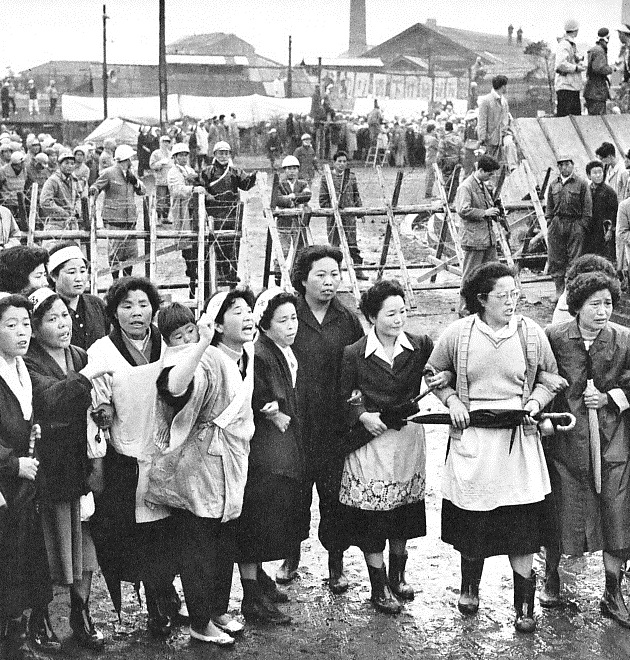
Today in Labor History November 9, 1963: At Miike coal mine, Miike, Japan, an explosion killed 458, and hospitalized 839 with severe carbon monoxide poisoning. Most of the survivors suffered permanent brain damage as a result. The mine’s ventilation system worsened miners’ exposure by spreading the toxic gas. And managers wouldn’t let workers leave the mine. Just three years earlier, Miike miners had engaged in the largest labor-management dispute in Japanese history.
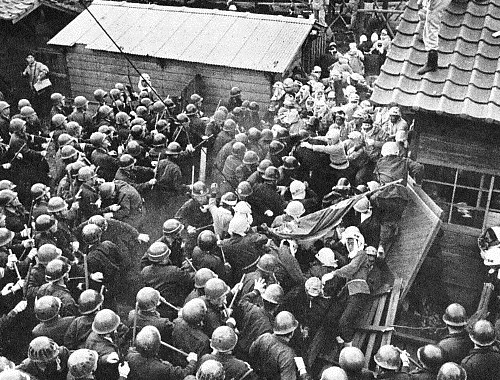
November 9, 1965: A Catholic Worker Movement member, Roger Allen LaPorte, protested against the Vietnam War, by setting himself on fire in front of the United Nations building.