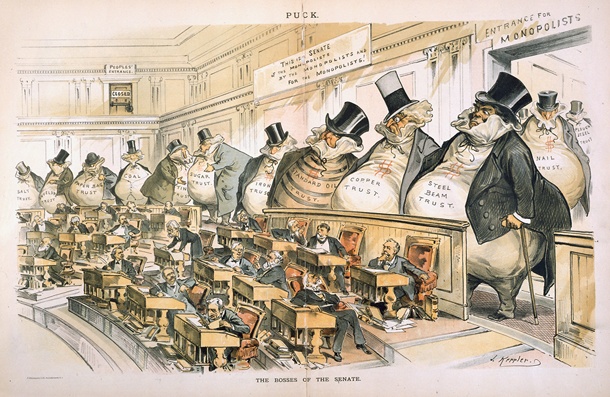
Today in Labor History February 3, 1908: The U.S. Supreme Court ruled that union boycotts violated the Sherman Antitrust Act.
1910s
Today in Labor History February 3, 1910: Mary Harris “Mother” Jones addressed Milwaukee brewery workers during a two-month stint working alongside women bottle-washers while on leave from the United Mine Workers:
“Condemned to slave daily in the wash-room in wet shoes and wet clothes, surrounded with foul-mouthed, brutal foremen . . . the poor girls work in the vile smell of sour beer, lifting cases of empty and full bottles weighing from 100 to 150 pounds, in their wet shoes and rags, for they cannot buy clothes on the pittance doled out to them. . . . Rheumatism is one of the chronic ailments and is closely followed by consumption . . . An illustration of what these girls must submit to, one about to become a mother told me with tears in her eyes that every other day a depraved specimen of mankind took delight in measuring her girth & passing comments.”
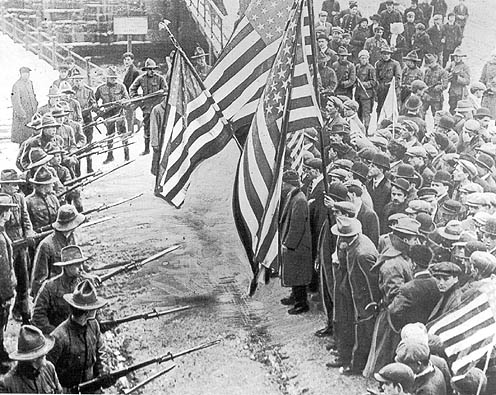
Today in Labor History February 3, 1912: The IWW “Bread & Roses” strike in Lawrence, Massachusetts. 32,000 textile mill workers participated. The strike began last month and continued for over nine weeks. The cops and goons killed several strikers. They dragged Annie Welzenbach and her two teenage sisters from their beds in the middle of the night. 200 police attacked striking women with their clubs.
1920s-1950s
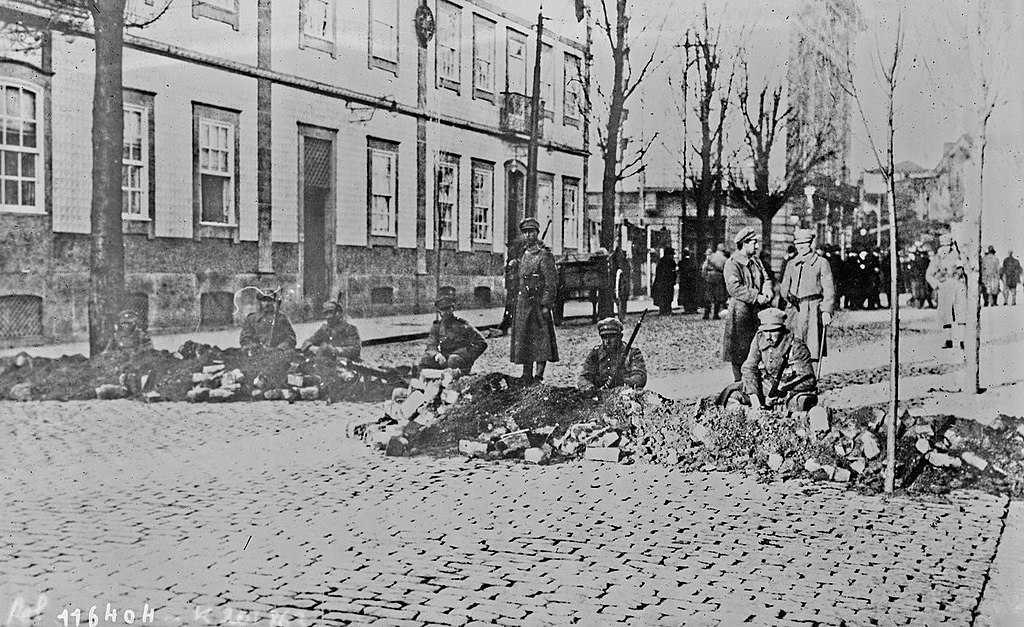
Today in Labor History February 3, 1927: A revolt against the military dictatorship of Portugal broke out in Porto. The dictatorship successfully quashed the rebellion. 80 people died in Porto. Another 70 died in Lisbon.
1950s-1960s
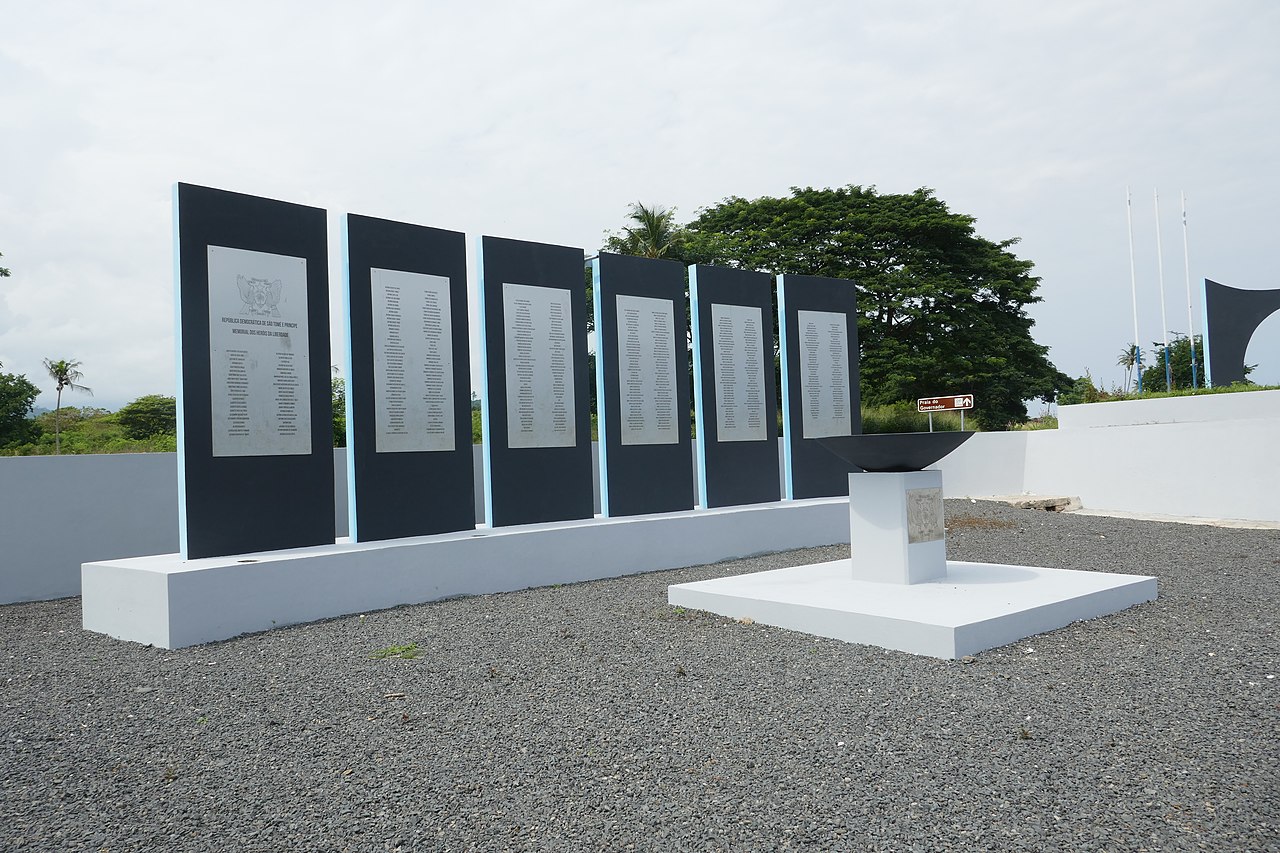
Today in Labor History February 3, 1953: The colonial administration and Portuguese landowners of São Tomé killed hundreds of native creoles, known as forros, in the Batepá massacre. The forros had been protesting against fears that the government was going to force them to work as contract laborers. In response, the governor accused them of being communists and ordered the military to round them up. It quickly turned into a bloodbath. The authorities failed to demonstrate any communist conspiracy.
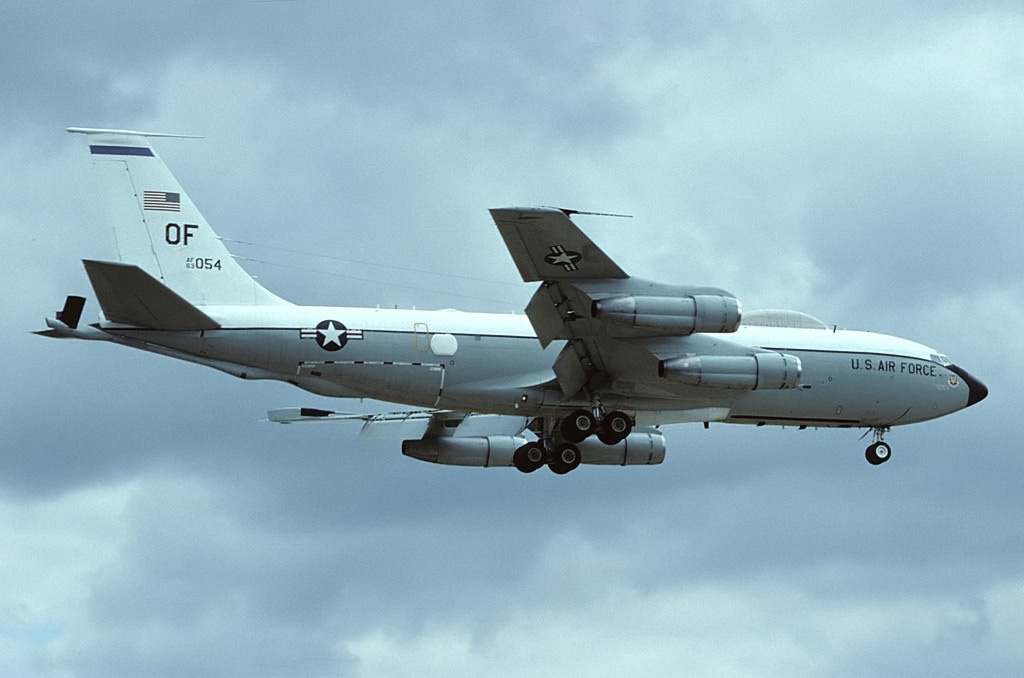
February 3, 1961: The U.S. Air Forces began Operation Looking Glass, code name for its airborne nuclear weapons command and control center. Ever since, there has been a “Doomsday Plane” always in the air, able to take direct control of U.S. nuclear bombers and missiles if the land-based strategic command is incapacitated. Perhaps it will come in handy, should its current game of chicken in Ukraine go sideways.
Today in Labor History February 3, 1964: 464,000 students (45% of all students) boycotted New York City schools to protest racial segregation and poor learning conditions.
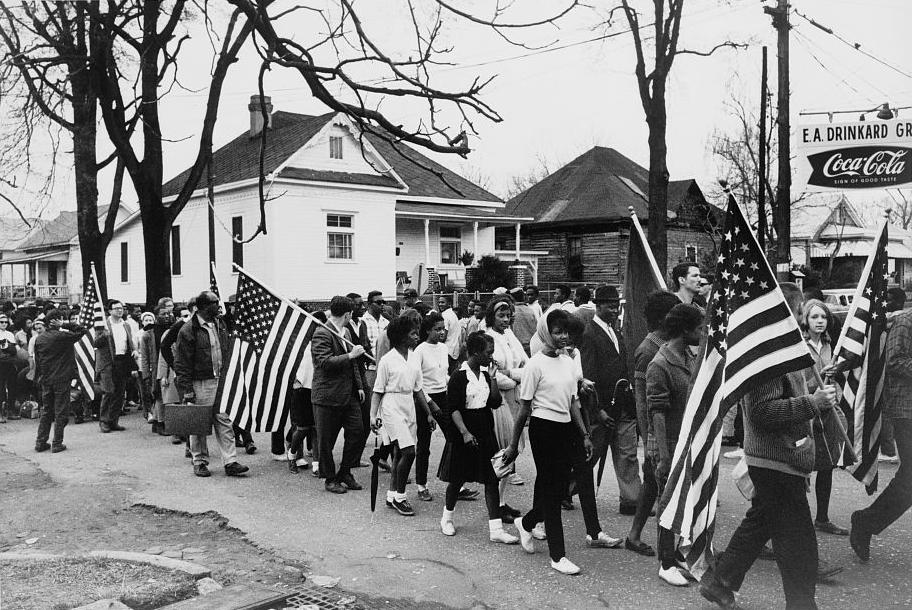
February 3, 1965: The authorities arrested 3,200, including many school children, in week-long voter registration demonstrations in Selma, Alabama.
1980s-1990s
Today in Labor History February 3, 1981: Striking Telecommunications Workers occupied the offices of a telephone company in Nanaimo, British Columbia and renamed it “Co-Op Tel.”
February 3, 1994: A General Strike of 500,000 workers was declared in Equador.