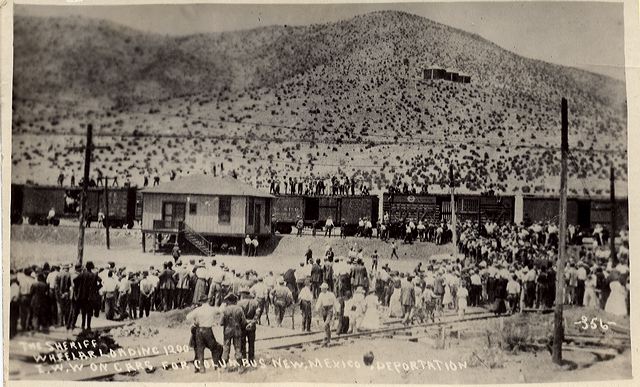
The Bisbee Deportation was the illegal kidnapping and deportation of 1,300 mostly immigrant copper miners from Bisbee, Arizona in July, 1917. The miners were members of the Industrial Workers of the World (IWW, or Wobblies), on strike against the Phelps Dodge mining company. The authorities sent them on a 16-hour train ride, without food or water, in the hot desert summer, to the New Mexican desert 200 miles away. Many were taken to Columbus, NM in hopes that the U.S. soldiers there would attack the Wobblies. The U.S. soldiers were there to secure the town, after having battled Pancho Villa and 500 Mexican rebels the previous year.
Roots of the Strike
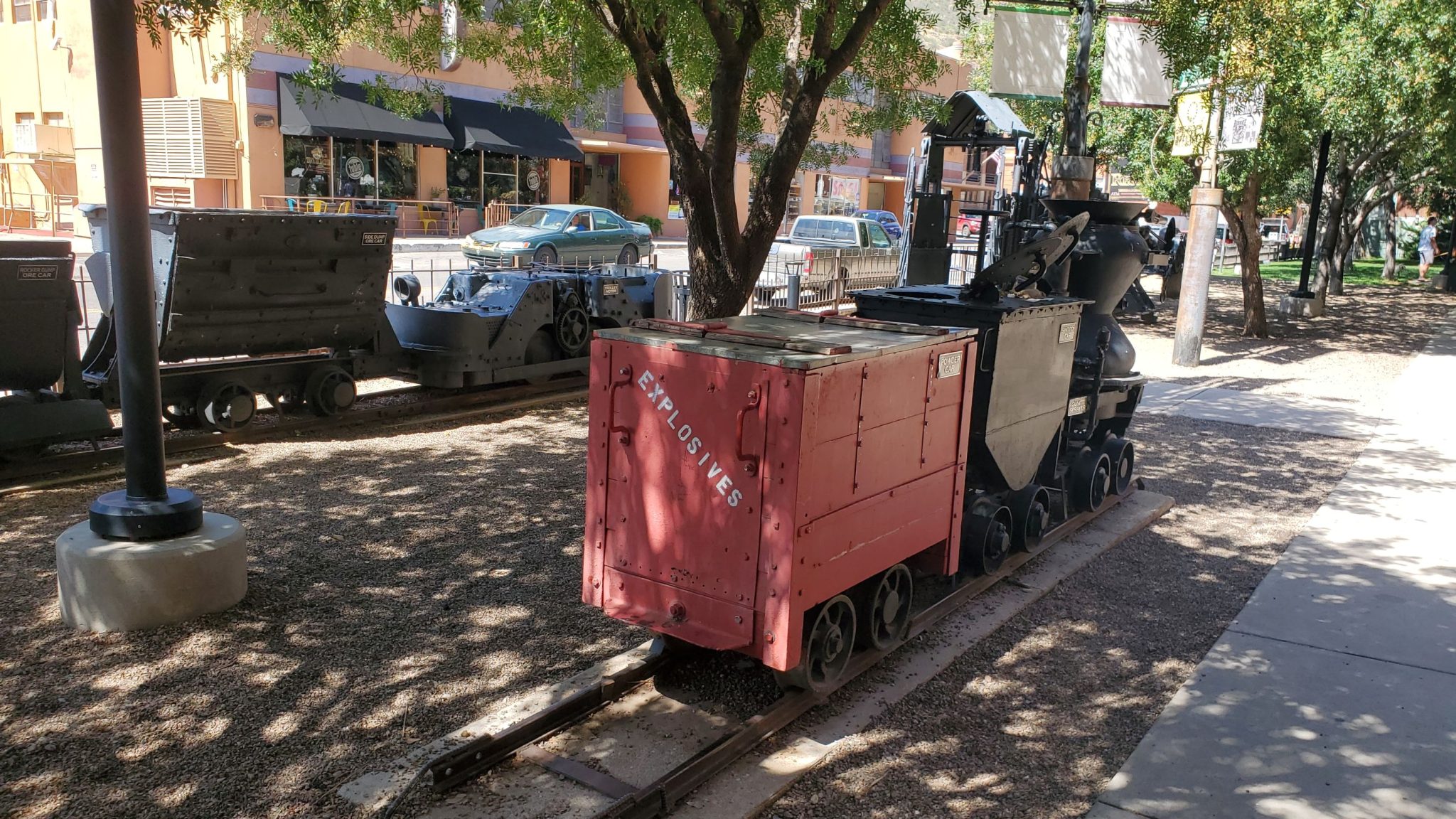
Arizona has been one of the largest copper producers in the U.S. for many years. Indigenous people used the ore for pigments and jewelry. When the Spanish came, they began mining in the 1700s. U.S. companies took over the mining there after the Gadsden Purchase, in 1853. Copper mining in the Warren District, which includes Bisbee, began in 1877, with Phelps Dodge soon coming in and buying the Copper Queen (operational until 1975) and Atlantic claims. Calumet and Arizona also operated mines in the region.
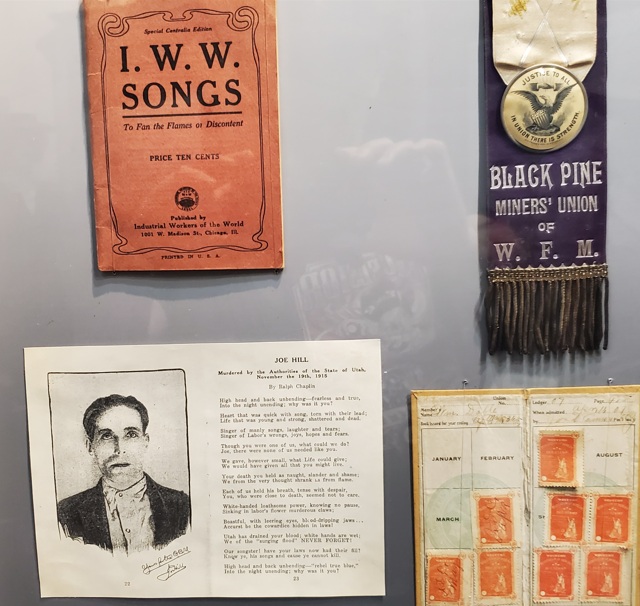
By 1917, a large percentage of the copper miners in the Warren District were Mexican and Balken immigrants. Discrimination against them was harsh. Working and living conditions for all the miners were deplorable. After receiving little support from the International Union of Mine, Mill, and Smelter Workers, the miners organized with the IWW. In early May, they presented a list of demands to management that included: an end to the bonus system, replacement of the sliding scale with a $6.00 per day shift rate, and an end to discrimination against union members. The company refused every demand.
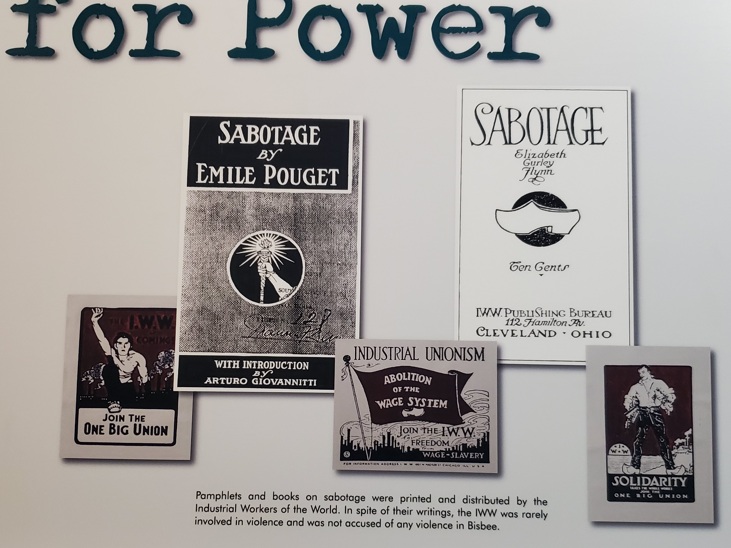
The IWW called for a strike to begin on June 26. More than 3,000 miners participated, including workers from all the local mines (not just Phelps Dodge), or about 85% of all mine workers in Bisbee. Cochise County Sheriff Harry Wheeler asked the Governor to request federal troops: “The whole thing appears to be pro-German and anti-American.
The Magonistas
25% of the deportees were Mexican and many of them were members of the Partido Liberal Mexicano (PLM), an anarchist organization created by Ricardo Flores Magon. The IWW and PLM had longstanding ties. Numerous Anglo IWW members joined the Magonistas when they invaded and occupied Baja California, early in the Mexican Revolution. Many workers in Arizona held dual membership in the two organizations, including Rosendo Dorame, who appears in the film Bisbee 17. Dorame spent time in prison with Big Bill Haywood in 1894 during the Cripple Creek strike in Colorado. On both sides of the border, workers read Regeneracion, the newspaper of the PLM. Another Mexican deportee who was both a Wobbly organizer and a Magonista was Fernando Palomares. He was a Mayan indian who grew up in a utopian socialist community in Sinaloa, Mexico.
The Vigilantes
On July 10, Phelps Dodge President Walter Stuart Douglas formed “Citizens Committee” made up of local business leaders. They rounded up over 100 Wobblies in Jerome, Arizona and deported 67 of them from to Needles, California. They told them to never return. When the IWW protested to the Governor, he claimed that they had “threatened” him.
On July 11, authorities in Bisbee sealed off the county and seized the local Western Union telegraph office. They cut off outside communication, while over 2,000 well-armed vigilantes began rounding up IWW members. It was one of the largest posses ever assembled in the U.S. And they didn’t limit their harassment to miners, either. They arrested sympathetic towns people, as well as several shop owners too. And in at least one case, a vigilante arrested and deported his own brother. They also looted their cash registers and shelves. The authorities arrested over 2,000 men in total. Jim Brew was an IWW member and a veteran of the violent West Virginia Cripple Creek strike of 1903-04. He fought back and killed Deputy Sheriff Orson McRae. Three other deputies promptly shot him dead.
The Deportation
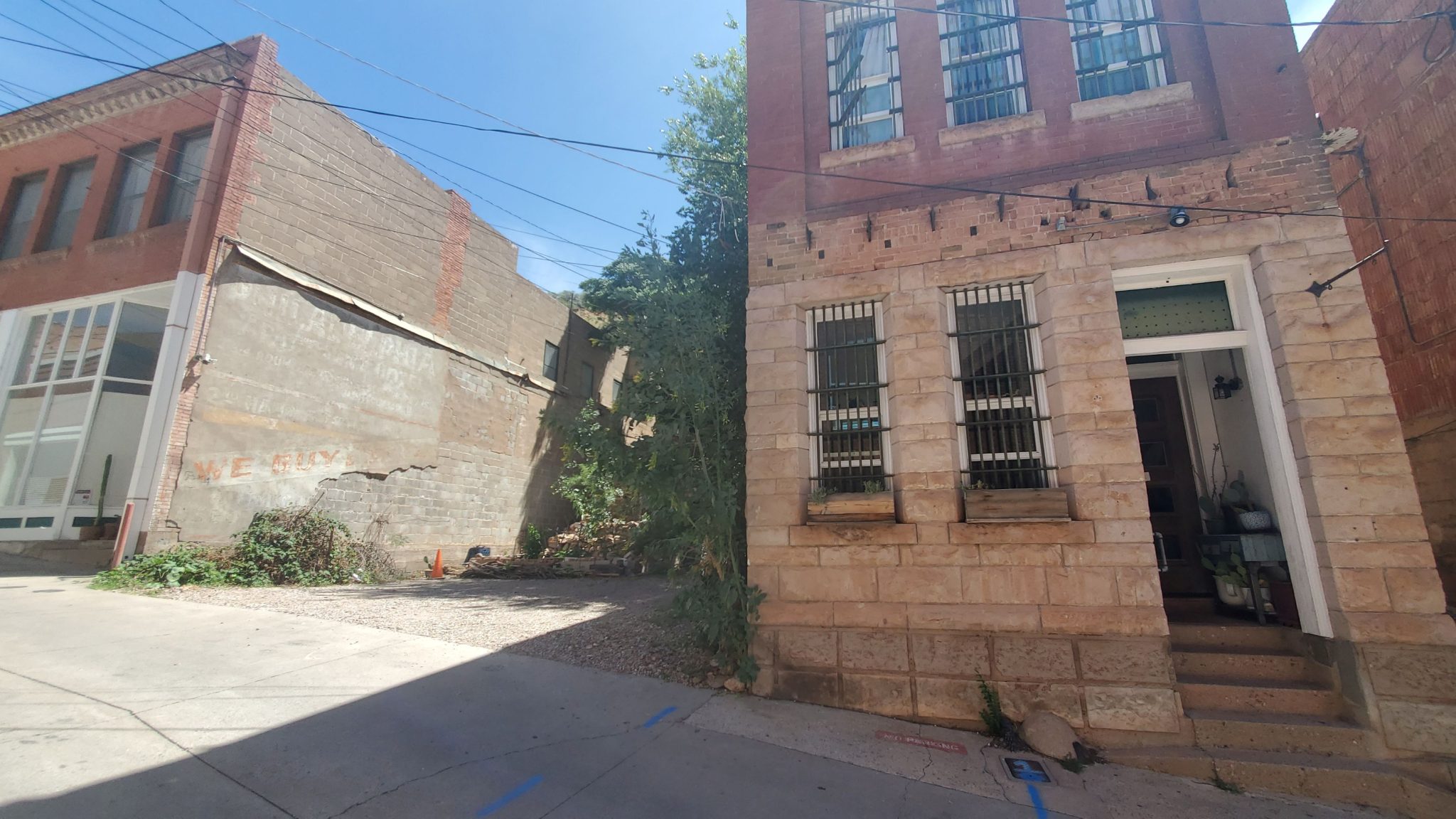
They held the men at the post office. The vigilantes then marched their prisoners two miles to Warren Ballpark, with Sheriff Wheeler guarding them from a truck fitted with a loaded Marlin 7.62 mm belt-fed machine gun. There, the cops gave non-IWW members the choice of denouncing the IWW. Roughly 700 men took the deal and were freed. The others jeered and swore profanities at the deputies, and sang labor songs. The next day, on July 12, they deported the men to New Mexico. Some of the cars were covered in manure three inches deep. The temperature for the 16-hour ride was in the mid-90s. The authorities threatened to lynch any of them that returned.
Aftermath
In May 1918, the U.S. Department of Justice ordered 21 Phelps Dodge executives to be arrested. This included Walter S. Douglas, president of the company. However, a federal district court released every one of them, arguing that they had violated no federal laws. The Justice Department appealed and the Supreme Court ruled 8-to-1 that the Constitution didn’t empower the federal government to enforce the rights of the deportees. That was a state issue.
One of the Bisbee deportees was Kurt Wilckens, an anarchist immigrant from Germany, and an IWW member. In 1920, the authorities deported him back to Germany under the Espionage Act for making antiwar statements. However, he immediately left for Argentina, where he participated in the Patagonian Uprising (1920-22). During that revolt, the military, led by Lieutenant Colonel Héctor Benigno Varela, slaughtered 1,500 workers. To avenge the workers killed, Wilckens bombed and shot Varela. His jailers assassinated him in jail. The workers responded with a General Strike.
References
https://elizabethhenson.substack.com/p/revoltosos-in-bisbee
Bisbee Mining and Historical Museum
Personal interview with Bisbee historian Mike Anderson
Bisbee Deportation in 1000 words