Today in Labor History February 4, 1794: The French legislature abolished slavery throughout all the regions of the French First Republic. However, in 1802, they reestablished slavery in the French West Indies.
1860s-1890s
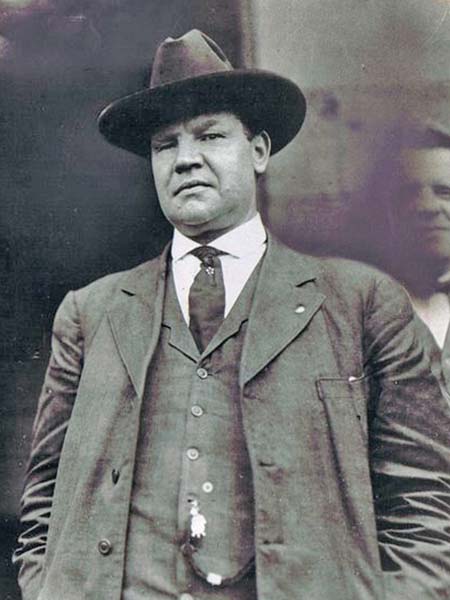
Today in Labor History February 4, 1869: Labor leader and Industrial Workers of the World (IWW) co-founder William D. “Big Bill” Haywood was born. Haywood started mining at age nine. He became secretary-treasurer of the Western Federation of Miners (WFM) in 1900 and co-founded the IWW in 1905. The authorities charged him in the bombing murder of former Idaho Governor Frank Steunenberg in 1907. Clarence Darrow successfully defended him. The WFM dismissed him in 1918 because of his radicalism. That same year, the U.S. government convicted him of violating alien and sedition acts during the first Red Scare. They sentenced him to 20 years in prison. However, he jumped bail and fled to the Soviet Union, where he died in 1928.
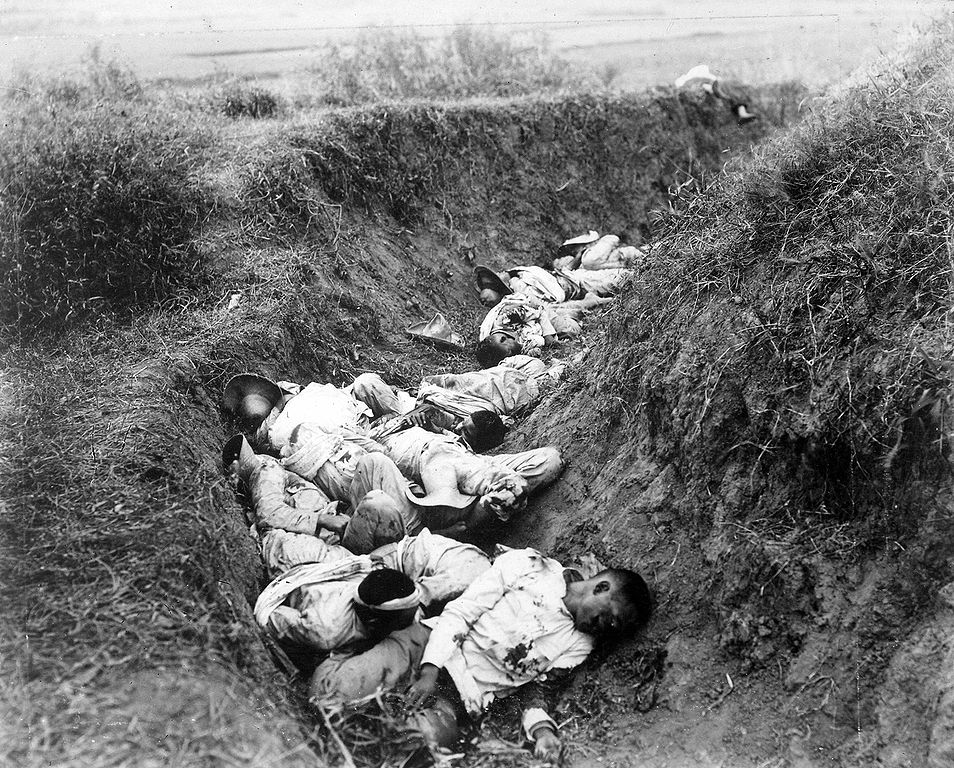
Today in Labor History February 4, 1899: A U.S. sentry shot Filipino soldiers, leading to the Battle of Manila, the first and largest battle of the Philippine-American war. 55 Americans and 238 Filipinos died in the battle. The war, as a whole, was essentially a revolt against the U.S. occupation. However, after 14 years, the Americans were in control and the Philippines had become a de facto territory of the U.S. Up to 6,000 Americans and 12,000-20,000 Filipinos died in the war. However, as many as 1 million civilians died from famine and disease during the genocidal U.S. occupation. The Manila correspondent for the Philadelphia Ledger wrote in 1901, “Our men have been relentless, have killed to exterminate men, women, children, prisoners and captives, active insurgents and suspected people from lads of ten up.”
1900s-1920s

Today in Labor History February 4, 1900: Jacques Prévert was born (1900-1977). Prevert was a poet, surrealist and libertarian who glorified the spirit of rebellion & revolt.
Excerpt from “Song in the Blood”
There are great puddles of blood on the world. Where’s it going all this spilled blood
Murder’s blood. . . war’s blood. . .Misery’s blood. . . And the blood of men tortured in prisons. .
The blood of men whose heads bleed in Padded cells
Today in Labor History, February 4, 1913: Rosa Parks was born in Tuskegee, Alabama.
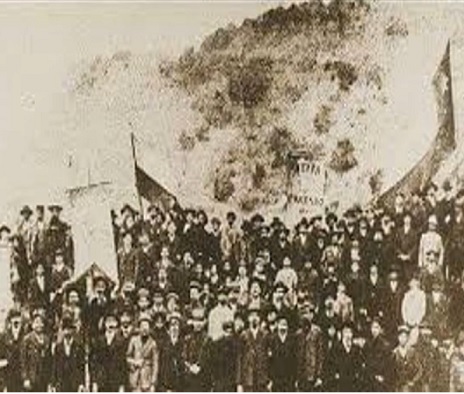
Today in Labor History February 4, 1921: A massacre at San Gregorio, Chile, left 565 nitrate miners dead. 1920 was a year of brutal repression of the workers movement. Many locals were burnt down, many agitators murdered, workers sent to prison. Prior to the San Gregorio massacre, the Chilean IWW led a three-month strike protesting the export of grain during a food shortage.
1970s
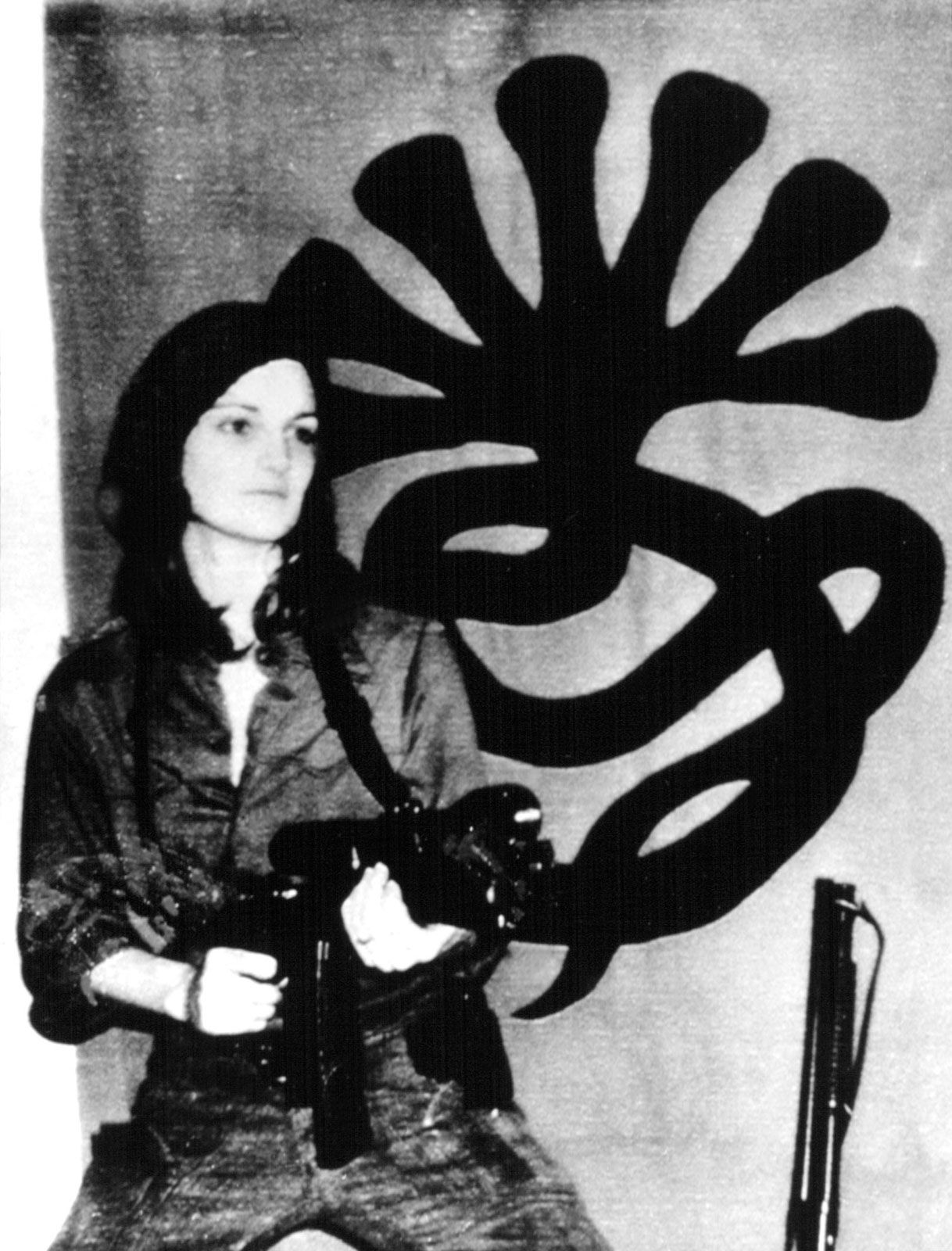
Today in Labor History February 4, 1974: The Symbionese Liberation Army kidnapped Patty Hearst in Berkeley, California. One of the SLA’s demands for releasing Hearst was for her family to pay for millions of dollars’ worth of food to be given to the poor and unhoused of the San Francisco Bay Area. Various community organizations distributed 100,000 bags of groceries at 16 sites in 4 counties, before violence brought the program to a halt. The violence occurred because the crowds were bigger than expected and workers started throwing boxes of food off of moving trucks.
Today in Labor History February 4, 1974: The Provisional Irish Republican Army (IRA) blew up a bus carrying off-duty British Armed Forces personnel in Yorkshire, England in the M62 coach bombing. Nine soldiers and three civilians died.
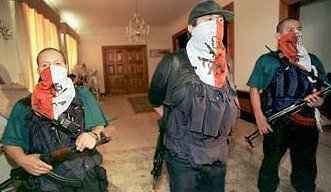
Today in Labor History February 4, 1979: Six workers were killed by police in the massacre of Cromotex, Lima Peru. The workers had taken over the factory after it went bankrupt and its owners tried to close it down. Led by a hardline revolutionary, Hemigidio Huertas, workers armed with sticks took the premises over. They held out for a week, killing a police captain in the process. When police later stormed the factory, they killed six workers including Huertas. One of the survivors, Nestor Cerpa, was arrested and jailed for 10 months. After his release, he went underground and started to organize the MRTA, or Tupac Amaru Revolutionary Movement.
1980s
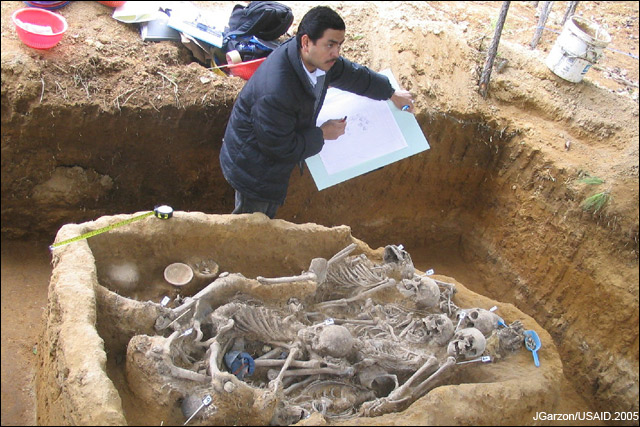
Today in Labor History February 4, 1981: Death squads killed 68 campesinos in the massacre of Chimaltenango, Guatemala. The massacre was one of many massacres making up the Guatemalan genocide. 200,000 Guatemalans died in the genocide. 93% of them were killed by government forces and death squads. 83% of the victims were Maya.